Thorough Wildlife Control to Preserve Your Property
Rigorous wildlife control is essential for preserving properties from the perils brought by common pests. Small mammals, raccoons, and squirrels can inflict extensive harm and create potential dangers. Grasping their movement patterns and the potential impact on neighborhood properties is the primary stage in proper control. Yet, many approaches exist to minimize these dangers. Identifying the right approach can provide substantial benefit in creating a safe and harmonious environment. What strategies should homeowners pursue to assure continuous protection?
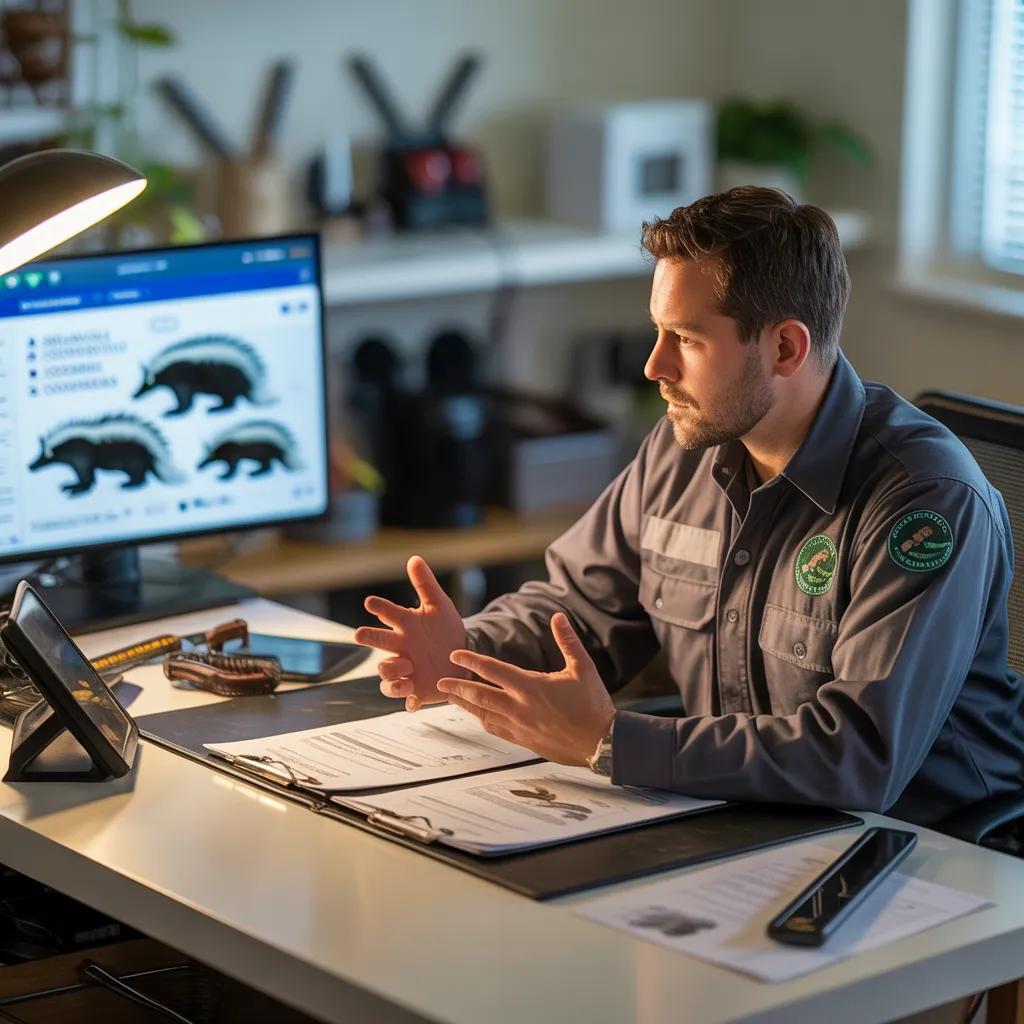
Recognizing Widespread Creature Pests and Their Threats
Many homeowners encounter a range of wildlife pests that create substantial threats to health and property. Common intruders consist of rodents, raccoons, squirrels, and bats. Rodents, such as mice and rats, can damage insulation and wiring while transmitting diseases through their droppings. Raccoons are famous for raiding garbage and can transmit parasites harmful to humans. Squirrels may gnaw on wooden structures and electrical wiring, creating potential fire hazards. Bats, while beneficial for insect control, can pose health risks through their droppings, which may contain histoplasmosis spores. Each of these pests not only endangers the physical integrity of a home but also the well-being of its occupants. Identifying the signs of infestations, such as droppings, gnaw marks, and nests, is crucial for homeowners. Prompt recognition enables for timely intervention, reducing the risks linked to these common wildlife pests.
Grasping the Influence of Wildlife Control on Your Property
Effective wildlife control strategies significantly affect the safety and integrity of a property. When wildlife is managed appropriately, property owners can reduce potential damage caused by pests, such as structural deterioration and food supply pollution. A proactive approach to wildlife control not only protects physical assets but also improves the overall well-being of the environment surrounding the property.
Moreover, efficient control minimizes the likelihood of disease transmission, safeguarding both inhabitants and pets. Creatures in nature can carry diverse pathogens that represent risks to human health; consequently, managing these populations is essential for ensuring a safe living space. In addition, effective wildlife control instills a sense of security, allowing property owners to take part in outdoor activities without fear of interactions with pests. Ultimately, understanding the impact of wildlife control is important for confirming that a property continues to be a safe, healthy, and welcoming environment for its occupants.
Verified Practices for Managing Wildlife Outbreaks
Putting preventative actions in place is vital for stopping wildlife infestations. Property owners can substantially lower the danger by ensuring cleanliness and securing food access. This requires proper waste disposal and storing pet food indoors. Additionally, blocking entry gaps, such as gaps in foundations, air vents, and smoke stacks, can deter animals from infiltrating buildings.
Landscaping is essential; removing trees and shrubs from building perimeters reduces potential nesting sites. Installing fences around gardens can further protect against herbivorous wildlife.
Routine inspections of the property help recognize signs of potential infestations early, allowing for timely interventions. Utilizing motion-activated lights or noise deterrents can also deter wildlife from approaching.
Humane Animal Control Solutions to Examine Next
Using compassionate animal management approaches promotes a harmony between protecting property and honoring animal welfare. These methods prioritize humane techniques to handle wildlife interactions effectively. One popular approach is the use of capture devices, enabling for the humane trapping and relocation of animals without harm. Additionally, exclusion strategies, such as blocking access routes and removing attractants, can deter wildlife from accessing homes.
Changing habitat is another considerate method, consisting of the modification of locations to make them less inviting to unwanted animals. For instance, keeping yards tidy and keeping trash in secure containers can considerably reduce creature encounters.
Additionally, adopting plant-based deterrents, such as predator scents or pungent materials, can persuade wildlife to avoid premises. These tactics not only safeguard property but also nurture coexistence with local wildlife, creating a balanced relationship between humans and nature.
When should you reach out to animal removal professionals?
Deciding when to contact wildlife control professionals typically depends on spotting signs of pest problems and reviewing property harm. Homeowners must remain vigilant for unusual animal activity or physical evidence of wildlife existence. Swift action can prevent additional deterioration and guarantee safe and humane removal of any invading animals.
Evidence Of Pest Activity
Detecting the warnings of a wildlife infestation is essential for timely intervention. Homeowners should stay aware for various indicators that may suggest the arrival of undesirable pests. Frequent signs include waste, which can range in size and shape depending on the species, and unusual sounds, mainly during the night. Also, marks or damage on walls and surfaces may suggest animal activity, while dens or nests spotted around the property can further establish an infestation. Unexplained food amounts, get going chewed wires, or damaged insulation may also point to wildlife access. If these signs are observed, it is vital to consult wildlife control professionals to review the situation and implement effective remedies before the problem intensifies.
Property Damage Assessment
It is crucial for homeowners to evaluate property damage caused by wildlife when facing possible infestations. Damage signs often feature wires that have been chewed, gnawed wood, and torn insulation, which typically indicate the presence of rodents or other animals. Owners should also look for animal droppings, nests and nesting items, and any damage to the property's structure, as these issues can lead to expensive repairs if not fixed quickly. Moreover, water damage from points where animals enter can undermine a property's integrity. When damage is severe or the infestation source unclear, it is vital to call in wildlife control professionals. These experts can assess the condition, carry out effective removal methods, and prevent future complications, ensuring the property stays protected and intact.
How to Maintain Wildlife Away for the Long Haul
Deterring wildlife at bay requires a comprehensive strategy that combines prevention, landscape changes, and regular care. Robust deterrence commences by safeguarding food sources; homeowners should store pet food, birdseed, and refuse in sealed containers. Removing moisture sources, such as clogged gutters or standing water, also minimizes wildlife interest.
Habitat transformation is vital. Excessive vegetation should be trimmed, and potential nesting sites, like woodpiles and dense shrubs, must be removed. Adding fencing can repel larger animals from accessing yards, while smaller creatures can be prevented by using barriers.
Continuous maintenance is necessary for sustained success. Frequent assessments of the property should be conducted to detect new entry points or signs of animal activity. Timely fixes and modifications will guarantee that created obstacles remain functional. By regularly applying these strategies, property owners can create an environment that discourages wildlife intrusion, protecting their homes and gardens for the long haul.
Guidelines for Cohabiting Calmly With Local Creatures
Coexisting peacefully with local wildlife improves both the natural surroundings and public well-being. To attain this balance, individuals can adopt many useful strategies. To begin with, securing garbage containers and organic waste piles prevents animals from searching for food, reducing unwanted wildlife encounters. Additionally, preserving indigenous vegetation in gardens creates a natural habitat that sustains local wildlife while reducing non-native vegetation that may damage local ecosystems.
In addition, property owners should steer clear of dangerous chemical treatments, as these chemical agents can harm both wildlife and the surrounding environment. Teaching the community about local wildlife behaviors fosters awareness and minimizes worry. Installing animal-safe enclosures can also help protect gardens without damaging fauna.
In conclusion, working with local conservation groups can supply resources and support for nature-friendly practices. By executing these strategies, communities can reap the benefits of local wildlife while maintaining safety and sustainability for all.

Popular Submitted Questions
What regulations pertain to Wildlife Control where I live?
Regional regulations relating to wildlife control vary based on location and often demand permits, prohibited methods, and predetermined seasons. People should get in touch with local wildlife agencies for exact guidelines to ensure conformity with regional laws and regulations.
How Much Does Expert Wildlife Control Usually Cost?
Pest control specialists usually price between $200 and $600, affected by considerations like the species involved, severity level of the occurrence, and treatments needed. Extra fees might be added for follow-up visits or preventative methods.
Do Pest Management Strategies Be Dangerous to Domestic Animals or Livestock?
Management techniques for wildlife can potentially harm domestic animals or farm animals if not carefully handled. Some techniques may unintentionally impact unintended wildlife, emphasizing the importance of choosing experienced professionals who prioritize the welfare of every animal present.
What Actions May I Think about if I Discover Wounded Wildlife on My Land?
Should you locate hurt animals, quietly observe from far away, don't handle it, and reach out to local animal rescue organizations or animal control for expert guidance to confirm the animal receives proper care.
Should I be mindful of seasonal variations in animal movement?
Seasonal trends in wildlife behavior often reach their highest levels during spring and fall. Animals may be more visible seeking food and shelter, while winter brings hibernation or migration. Awareness of these cycles aids in effective wildlife management.
Comments on “Experienced Wildlife Control Technicians Providing Long-Term Solutions”